This week in his daily meditations series Fr. Richard Rohr has been discussing pilgrimages. This caught my attention because something on my short bucket list is to walk the Camino de Santiago, the sacred pilgrimage in Spain. This route is also called the Way of St. James and is a large network of ancient pilgrim routes across Europe meeting up at the tomb of St. James (Santiago in Spanish). There are several routes varying in time and intensity. As much as I would love for this dream of mine to come to fruition, we must be careful with how we view our bucket lists and dreams. You see if we are awaiting these peak experiences to feel a sense of spiritual fulfillment we may be missing the point of what a pilgrimage truly is and how, when and where to step onto the path.
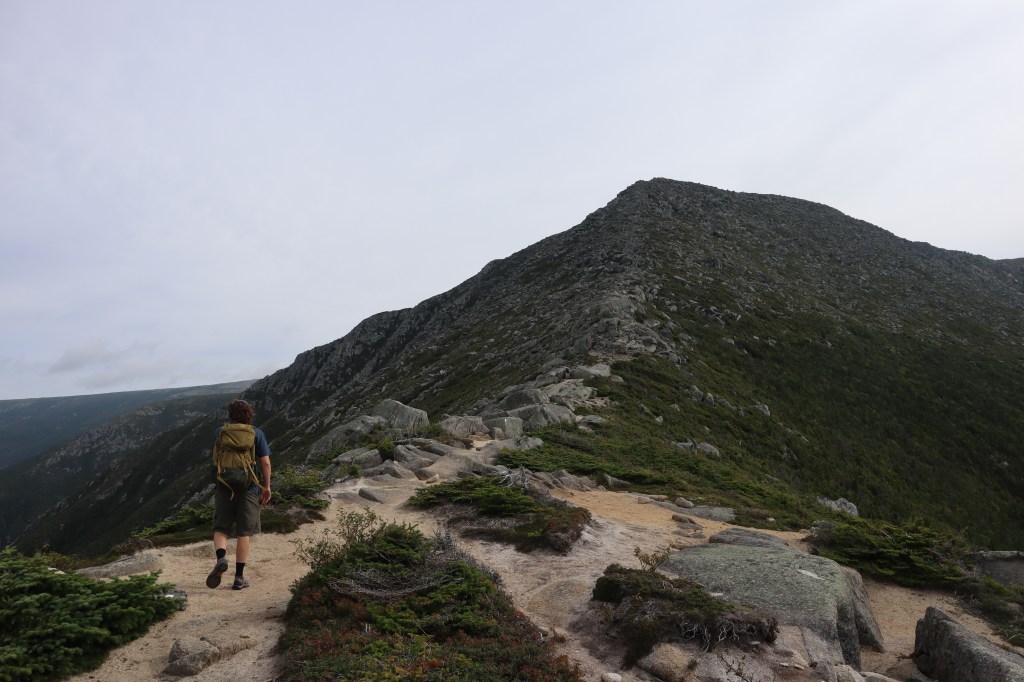
Fr. Richard spoke my language as he often does when he talked about a pilgrimage as a daily practice and way of life, just as the bible frequently speaks to us about out walk in faith. He states: Pilgrimage is the state of mind and heart or spirit that changes the vacation, the hike in the woods, the ride out into the country, the errand in the middle of the day, the walking of a dog, … into a pilgrimage in which one encounters the Holy. Benedictine monk David Steindl-Rast describes this very sentiment: when the pilgrim sets her foot on the ground, every step is a goal, and the pilgrim says “now, now, now”; she is living in the present and claiming the presence of the Holy God now in her midst, upon this soil, fully cognizant of the sacred land she walks upon…. Whether we are on an actual pilgrimage or perceive that the road of life we are on is our pilgrimage, each step, each move one makes is blessed by the Spirit. For both an actual pilgrimage and the pilgrimage of everyday life is a journey of faith.
I have always appreciated the phrase the way you do one thing is the way you do everything. Which could also imply that our whole lives could be an intentional pilgrimage to grow closer to God and to embody the characteristics of Christ. Similarly, the bible often speaks of our walk with God as a way to be with Him and also to be like Him. I will offer examples from both the New and Old Testament. This passage from Micah is honestly one of my favorites. He has told you, O Man, what is good: And what does the Lord require of you, But to do justice, to love kindness, and to walk humbly with your God?- Micah 6:8. Just let the weight of that passage wash over you. It is a comforting kind of weight almost like God Himself breathing into your life and reminding you of what is good and true. He is also walking with you, right there in all of it with you.
I offer one more from the Old Testament that always seems to whisper to me of God’s eternal promises. For you were formerly darkness, but now you are Light in the Lord; walk as children of Light- Leviticus 26:12. Yes, us all children of the light, worthy to receive God’s grace and provision. Just the use of the word walk in spiritual terms to me implies that we walk or move in this world ( take action) with a purpose and with a sense of lightness and blessed assurance that we are surrounded and animated by a loving God.
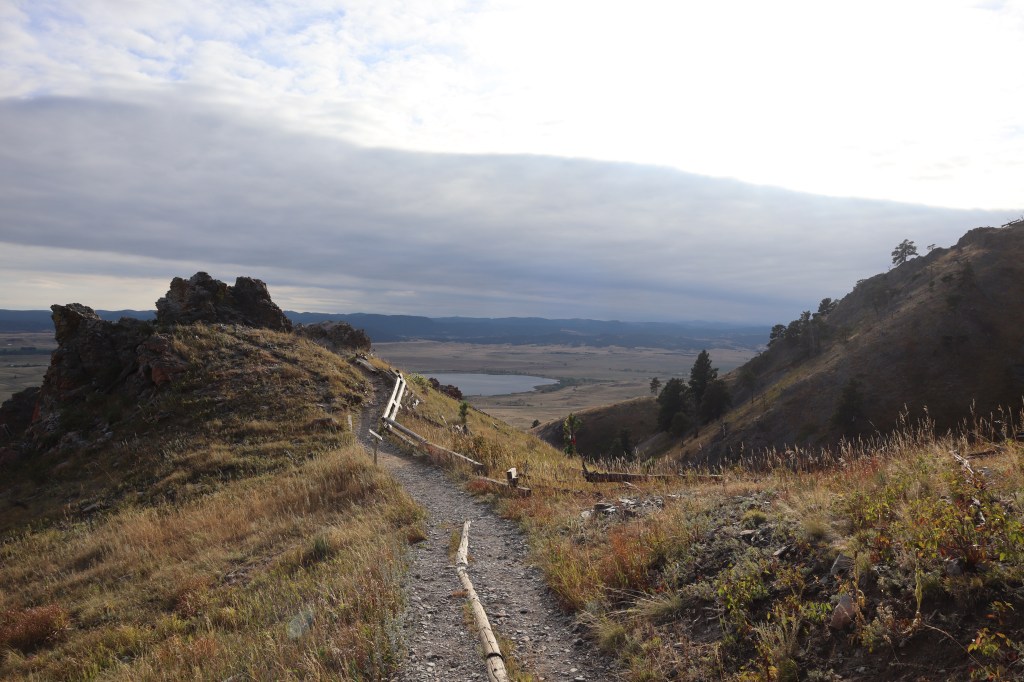
The New Testament references to walking is often about embodying the characteristics of Jesus. Therefore, as you have received Christ Jesus the Lord, so walk in Him. – Colossians 2:6. and from 1 John 2:6 – whoever says he abides in him ought to walk in the same way in which he walked. We realize that we are human and not Christ, we walk in life not seeking perfection or in self-loathing for our faults and failings but with the promises of unconditional love from a God that’s only requirement is that we seek him. We also are blessed with the guidance and compassion of the greatest teacher in Jesus who as we remember sought out the less than perfect and lowly to follow him and walk with him.
In contemplating the idea of pilgrimages and forging a unique path to follow Him, I was drawn to learn more about the dessert fathers and mothers. These were devout followers of Christ around the time of 250-550 AD in ancient Egypt who stepped away from the evolving Church which was becoming more influenced by social and political factors. Because of this, these pilgrims chose to retreat to the solitude of the desert. In the desert they chose to renounce attachments and seek simplicity and much silence where they could grow closer to God. Although they sometimes lived in isolation, they often lived in groups. Elders (both female and male) helped to mentor others, welcoming all visitors as they tirelessly worked to care for the poor.
Laura Swan in her book The Forgotten Desert Mothers says this: Silence helps us begin the pilgrimage within and better discern the sacred. Silence helps us cultivate and deepen passionate love for God because it provides the atmosphere of true and authentic communication with God. Silence teaches us to speak, directly compassionately and honestly. I would hazard to say that this time for quite communication with God can help us to also see and speak with others with greater compassion The pause, the silence, the pilgrimage reminds us that we are walking in the world with Jesus and his great compassion, humility and love. All of this is too good to keep to ourselves, it simply spills over like an overflowing river onto the banks of our lives, fertilizing our world with God’s goodness.
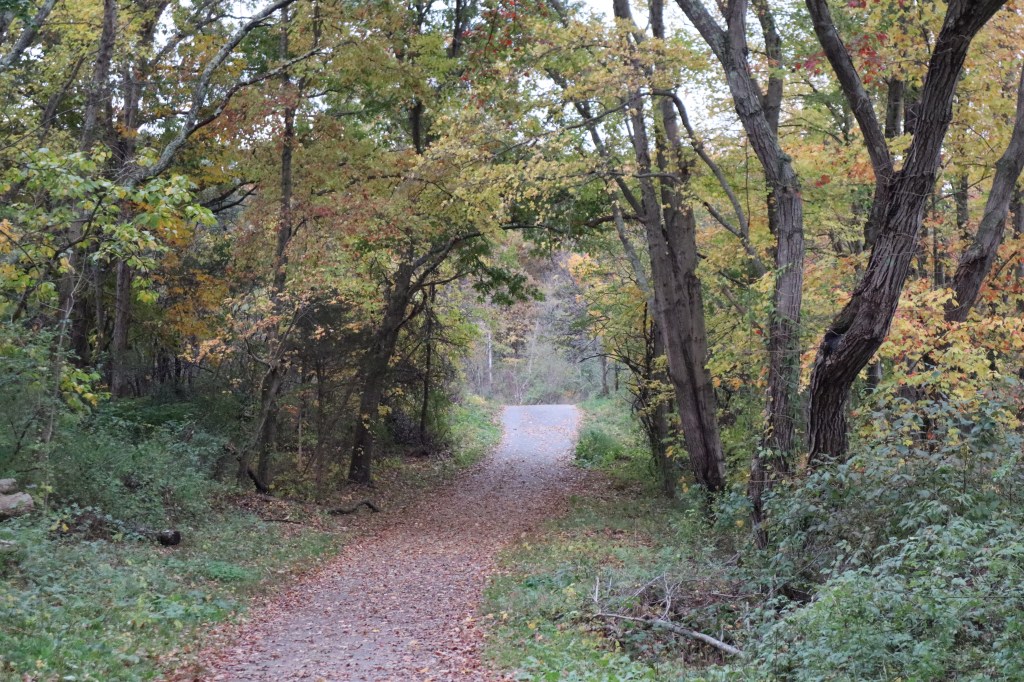
I always find it heartwarming when I see similarities between different faith traditions that whispers of eternal wholeness/ holiness that sees and speaks of unity with no boundaries between traditions. The desert way and its leading qualities of simplicity, compassion, and humility led by an umbrella quality of mindfulness and increased awareness reminds me of the Buddhist teachings. I feel that when we get too focused on the dogma or the inclusive/ exclusive aspects of some faith traditions we are missing Jesus’s message of unity. We forget that He desires to draw near to us encouraging us to be like him and walk with Him. Laura Swan speaks of the quality of apatheia as the goal of the desert journey which remind me of some of the tenants of yoga and Buddhism, specifically working to release attachments and accept that which we are averse to. She also eludes to the second noble truth from Buddhism – the idea that pain is inevitable, suffering is optional.
Laura says this: Apatheia is a mature mindfulness, a grounded sensitivity, and a keen attention to one’s inner world as well as the world in which one has journeyed. .. Apatheia is purity of heart. The ammas (desert mothers) teach us to intentionally let go of feelings and thoughts that bind us and attachments to self -imposed perfectionism. Apatheia is nourished by simplicity and grounded in abundance of the soul. Although the dessert mothers and fathers, Buddhist sages and of course Jesus lived many years ago, the wisdom and messages they taught are like sign posts or cairns along the pilgrim path pointing us to the way.
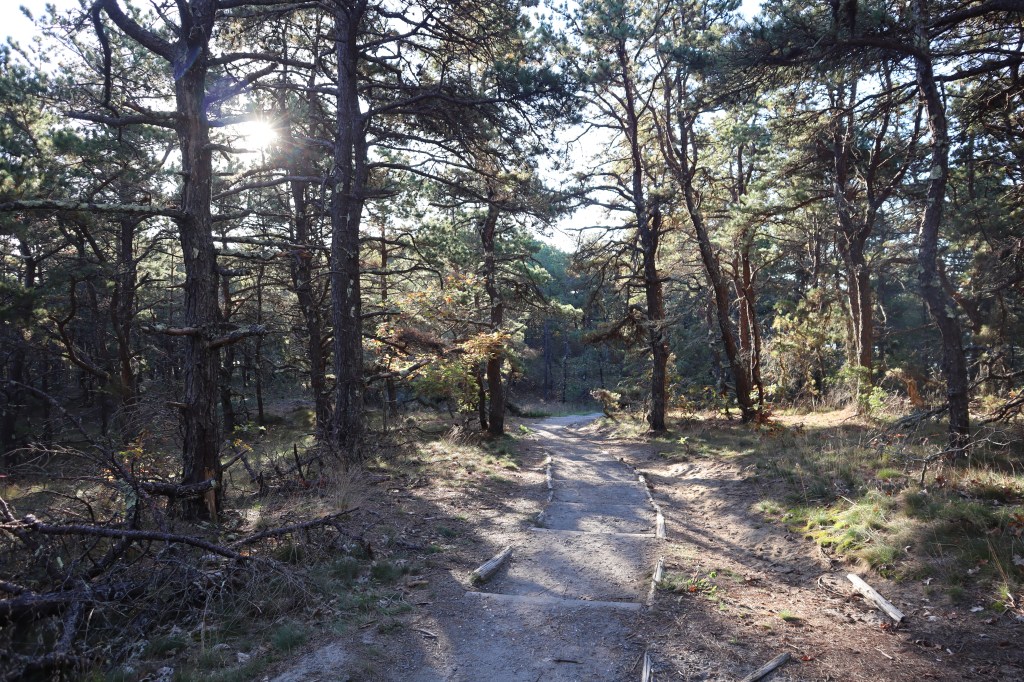
As we close, remember to walk the way, we do not need to renounce all our belongings, travel to exotic locations or join a monastery. I think Jesus came to us in human form to show us how to be more like him, to show us how to live. Consider small ways that you can carve our just a bit of time for silence. If stillness isn’t your thing, I understand, that is why we also call our journey in spirituality a path, a walk with faith. Find ways to move you body in silence where you can draw near to God and feel his presence. Consider ways to practice apatheia and truly be nourished by simplicity and grounded in the abundance of your own soul. If you become distracted or disheartened listen for the desert mother or maybe Jesus to whisper to you now, now, now, with every step you take.
 Therapeutic Temple Musings
Leave a comment