As we enter the third week of advent, I was musing about what the word advent means. Ok, I know what it means from a Christian perspective but what are the roots of the word? A simple definition of advent is arrival as we can see when we trace the origin of the word from middle English borrowed from the medieval Latin adventus or arrival or appearance. Another definition (Webster’s 3rd) defines it as a coming into being. This one lights up my mystical soul. Reminiscent of course of Jesus’s coming into being, but also our own personal coming into being. Our own walk with God, with this life and our own unique ways to cultivate joy. You see joy has a much higher vibration than happiness. Happiness in an emotion, a reaction to a situation around us. Happiness is fleeting and transient, perhaps an overly sought-after emotion, often attempted to be bought or given. Happiness is like prakriti from yoga philosophy which means we tend to over identify with the changing nature of things. When we are overly attached to the changing things of this world such as the constant pursuit of happiness, we suffer.
Where happiness is of this world, joy is spiritual, lasting and based on inward experiences such as our relationship with Jesus. Joy is like parusha from yoga philosophy, in which we identify more with the unchanging- the pure and eternal, as Christians we call this God. I think it is easier to feel joy within and without around Christmas time, perhaps because we tap into the unchanging joy that Jesus brought to the world. His joy is eternal and lives within us. We may constantly chase after the happiness of the material world or stop, pause and choose joy. When we pause, we get a sense that this joy was there all along, as Jesus tells us in John 15:10-11 “If you keep My commandments, you will abide in My love; just as I have kept My Father’s commandments and abide in His love. These things I have spoken to you so that My joy may be in you, and that your joy may be made full. Abiding in Jesus’s love this is the most beautiful expression of pure joy.
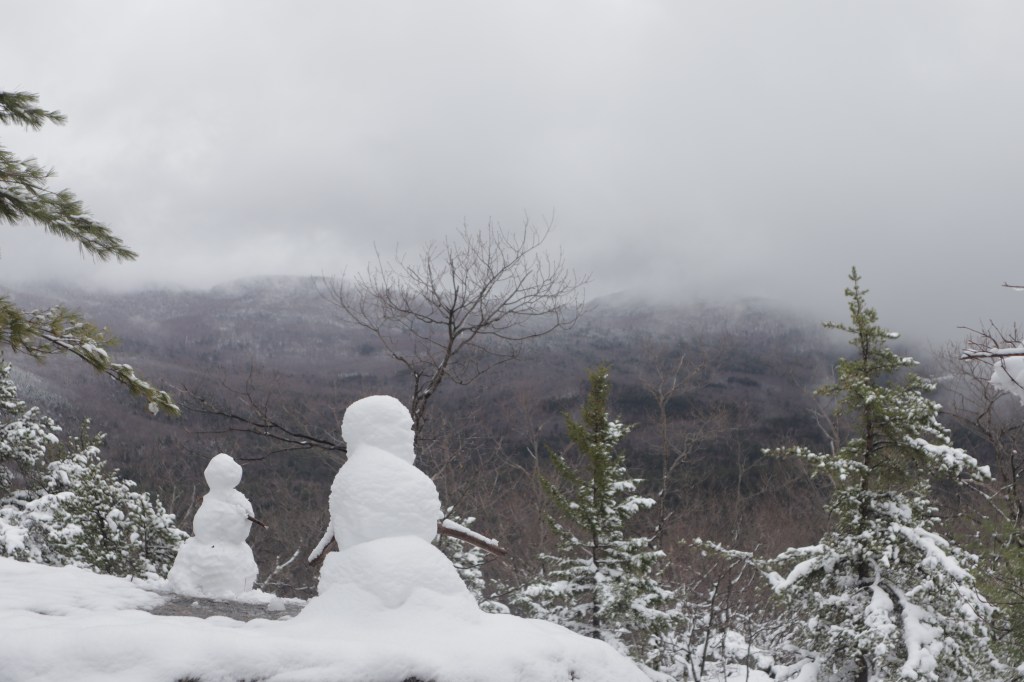
Joy is often expressed by David, arguable one of the most joyful men in the New Testament. David is often called a man after God’s own heart because of his great faith and trust in God. David repented when he did wrong and worshiped God with great conviction. He sings his praises in Psalm 98 which is often called the Joy Psalm. This psalm was the unintended inspiration for a famous Christmas carol.
Sing to the Lord a new song,
for he has done marvelous things Psalm 98: 1 ,
Shout for joy to the Lord, all the earth,
burst into jubilant song with music
with trumpets and the blast of the ram’s horn—
shout for joy before the Lord, the King.
Let the sea resound, and everything in it,
the world, and all who live in it.
Let the rivers clap their hands,
let the mountains sing together for joy,
let them sing before the Lord. 6-9.
The beloved Christmas carol Joy to the World was originally written by Isaac Watts an English hymn writer in the 1700’s not as a Christmas Carol at all but as a compilation of poems that he published based on the psalms. His poems were a new interpretation of the psalms from the Old Testament adjusted to refer more to the work of Jesus in the New Testament. The poem that he adapted from Psalm 98 was further adapted as the song we know now as Joy to the World by Lowell Mason in 1836. He was a Boston music teacher and Presbyterian hymn composer.

It really was a true work of art the way Isaac Watts adapted the psalm of David and his adoration of the Lord into a song of joy and celebration over the birth of Jesus. Here is the first part of the song, that we all know so well;
Joy to the world, the Lord is come;
Let earth receive her King!
Let every heart prepare him room And heaven and nature sing!
And heaven and nature sing!
And heaven . . . and heaven . . . and nature sing.
As a nature lover, who feels God’s presence deeply in the natural world I love how he says heaven and nature sing! When we take the time to truly hear and receive the voice of nature we also feel an immense gladdening of the heart, a peace that is beyond understanding. The author so eloquently mirrors the sentiment of David in Psalm 98 Let the sea resound, and everything in it, the world, and all who live in it. Let the rivers clap their hands, let the mountains sing together for joy, let them sing before the Lord. in the second stanza of Joy to the World:
Joy to the earth, the Savior reigns!
Let men their songs employ
While fields and floods, rocks, hills, and plains,
Repeat the sounding joy! Repeat the sounding joy!
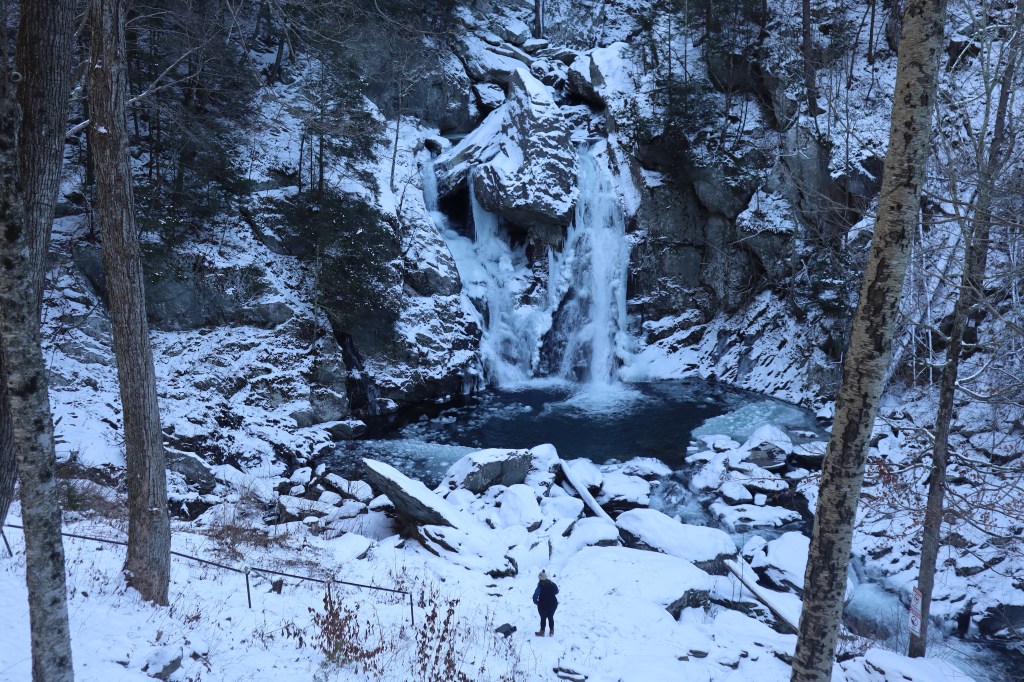
This hymn brings out a sense of nostalgia, perhaps a remembrance of simpler times. The truth is we can always choose to reawaken this sense of joy within us. Joy transcends time and place; it is a reservoir that can be tapped into at any time. Joy endures hardships and connects us with the infinite. Quite simply, just like other healthy habits, joy is a spiritual practice.
At this time of advent and always, a way to practice joy is through gratitude. Gratitude is a gracious recognition of all that sustains us, a bow to our blessings. Gratitude is the confidence in life itself, confidence in the creator of life and his son Jesus. We recall that Jesus states this in John 15:11 These things I have spoken to you so so that My joy may be in you, and that your joy may be made full. As we move towards Christmas let us join with Jesus in his hopes for us to feel the fullness of his love and joy, to allow this to radiate from our hearts outwards. In doing so perhaps we bring this fullness of joy to others through the simple and profound practice of joyfully preparing our own hearts as we sing together the final verse of Joy to the World. In this verse joy turns to wonder. Such a season to be filled with wonderment!
He rules the world with truth and grace
And makes the nations prove
The glories of his righteousness
And wonders of his love!
And wonders of his love!
And wonders . . . wonders . . . of his love!
If mother nature allows I will be adding an accompanying yoga video.
Merry Merry
 Therapeutic Temple Musings
Leave a comment